Roofing Repair for Small Businesses: Special Considerations
A roof's integrity is vital for ensuring a secure and pleasant living space. Proper upkeep of your roof shields your home from harsh weather conditions while also boosting its visual appeal. Whether you have a flat roof, a shingle roof, or a more intricate tiling design, it’s important to recognize the details involved. Homeowners should educate themselves about the various roofing materials, repair methods, and the range of contractors available for roofing tasks.
This article will explore the key elements of roofing, emphasizing repair techniques, selecting appropriate materials, and identifying trustworthy roofing experts in Texas. Given the importance of this overhead structure, making informed choices can lead to significant savings in both time and money in the future at at roofing.
Tips for Maintaining Your Roof
Routine maintenance can greatly prolong the life of your roof and reduce costly repairs down the line. Regular inspections can highlight potential issues before they turn into serious problems.
- Inspect your roof at least twice a year, especially after severe weather.
- Clean gutters and downspouts regularly to ensure proper drainage.
- Trim any overhanging branches to prevent damage from falling limbs.
- Look for signs of moss or algae growth; consider professional cleaning if necessary.
- Ensure ventilation is adequate to reduce moisture buildup and prolong roof life.
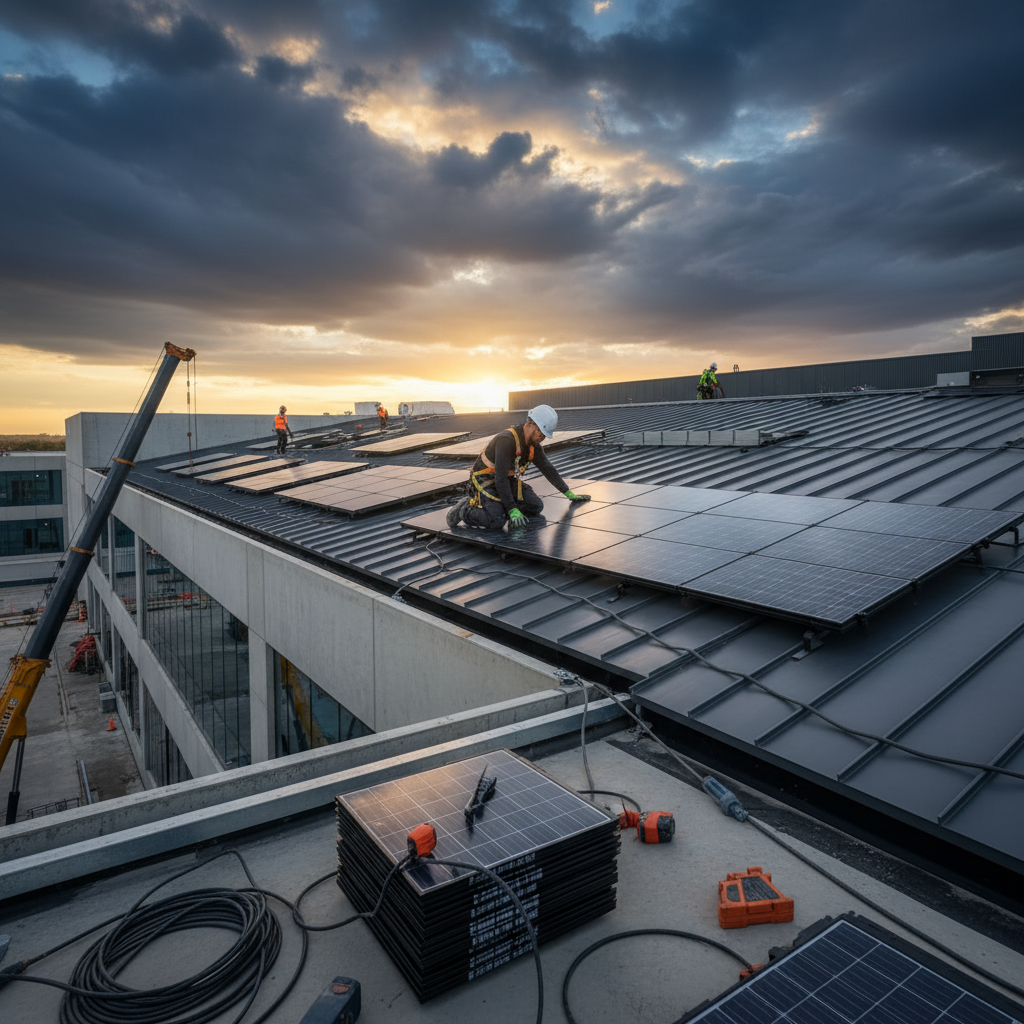 roofing repairroofing repair guide
Understanding Different Types of Roofing Systems
Roofing systems vary widely, and each type comes with its own maintenance needs and durability. Shingle roofs, often made from asphalt, wood, or metal, are popular due to their affordability and ease of installation. However, they require regular inspections for any signs of wear. Weathered wood shingles, for example, can lend a charming aesthetic but may need closer attention to prevent leakage and rot.
Flat roofs are another common choice, especially in commercial buildings, but they pose unique challenges. They require proper drainage to avoid pooling water, and materials such as EPDM rubber or TPO are often used to enhance waterproofing. Additionally, tiled roofs, which can consist of clay or concrete tiles, offer durability and a distinct look but can be heavier, necessitating a structurally sound decking roof underneath.
Decking Roof Considerations
The decking roof serves as the essential foundation upon which shingles or tiles are installed. Having a solid and well-maintained decking is vital for any roofing system. When selecting roofing materials, consider the weight and compatibility with existing decking structures. If you're dealing with a roofing repair or replacement, make sure to engage with roofing professionals who understand the importance of proper decking. Any signs of warping or damage should prompt immediate attention to maintain the lifespan of your roof.
Choosing the Right Roofing Repair Company
The roofing repair contractor you choose can have a substantial impact on the result and lifespan of the repairs. In Texas, a myriad of companies tout their roofing capabilities, underscoring the importance of conducting thorough research before making a decision. Prioritize contractors that have earned favorable ratings from clients and confirm that they hold valid licenses and adequate insurance. A credible roofing repair service will present a detailed contract that defines the work involved, the materials that will be used, and the anticipated schedule for completing the project.
Additionally, request information about their past experiences, particularly jobs that are similar to your needs. Many roofing professionals in Texas provide portfolios of their previous work, allowing you to gauge their expertise. Reputable contractors typically offer warranties for their repairs, providing you with added security that you will be covered if any problems occur soon after the service is performed.
Getting Ready for Roofing Repairs
Before undertaking a small repair or an entire roof replacement, thorough preparation is essential to make the process smoother and reduce inconvenience. Begin by drafting a comprehensive roofing repair checklist. This list can encompass details such as the kind of shingles you want to utilize, any necessary permits to secure, and potential roofing contractors to consider. Furthermore, evaluate the overall condition of your roof and document any noticeable damage. Such observations will enable roofing professionals to offer more precise estimates for the work required.
It's beneficial to involve your family in conversations about the impending repairs, ensuring that everyone understands the situation. If your home is still covered by a warranty, it’s critical to review the terms before initiating any repairs, as certain warranties may stipulate specific protocols that must be followed to retain their validity.
For commercial properties, the implications of a roof failure can be even more severe. Such an event can result in property damage, service interruptions, and potential revenue loss. Therefore, adopting a proactive stance towards roofing maintenance and repairs, including regular inspections, will safeguard your investment over time.
Investing in preventative services is also wise. Numerous companies provide maintenance programs or routine inspections designed to identify issues before they escalate, ultimately saving you both time and money.
Roofing.Frequently asked questions
What are common signs that my roof needs repairs?
Indicators that your roof may need attention include missing or damaged shingles, interior leaks, sagging sections, and overall visible deterioration. Conducting regular inspections is essential to catch these potential issues before they worsen.
How much does roofing repair typically cost?
The cost of roofing repairs can vary widely based on factors such as the required repairs, chosen materials, and labor charges. On average, smaller repairs might range from a few hundred dollars, while larger projects could amount to thousands.
How long does a roofing repair take?
How long roofing repairs take can depend on both the extent of the damage and the type of roofing materials involved. Typically, minor repairs can be finished in one day, while significant work might take several days or even longer to complete.
Can I do roofing repairs myself?
While there are minor repairs that a handy homeowner could manage, working on roofs can be perilous if proper safety protocols are not observed. For major repairs, seeking professional help is usually the best course of action.
What roofing materials are best for Texas?
In light of the challenging weather conditions in Texas, it’s vital to choose durable roofing materials. Options such as metal roofs, tiles, or premium shingles are well-suited for long-lasting durability and resistance to extreme weather.
What should I do if I suspect leaks?
If you suspect a leak in your roofing system, it’s important to perform a detailed inspection of both your roof and ceilings for any visible signs. Immediately contact a roofing repair contractor to evaluate the situation and execute any necessary repairs, helping prevent further damage.
To conclude, being knowledgeable about roof repairs is crucial for all homeowners. Recognizing potential problems and choosing the right experts to handle them can significantly contribute to the durability of your roof and safeguard your financial investment.
By keeping updated on different roofing materials, various repair methods, and reputable contractors in your area, you are empowered to make informed decisions that improve both the safety and worth of your residence over time.